Key Takeaways
- A crown can’t decay, but the natural tooth at its edges can develop a cavity.
- Early decay often causes no symptoms, so a normal-feeling crown isn’t proof of a healthy one.
- Good daily cleaning plus regular dental exams catches trouble while it’s still small.
You paid for the crown. You sat through the numbing, the impression goo, the temporary that popped off in a bagel. So the tooth is handled, right?
Not quite. Yes, you can get a cavity under a crown, and it happens more often than most people expect. The crown material itself can’t decay, but the natural tooth along its edge can, and that tooth is still very much alive to bacteria. This guide covers how decay sneaks in, which signs deserve a phone call, and what a dentist actually does about it.
Cavities Under or Around a Dental Crown
Question: Can you get a cavity with a crown?
Answer: Yes, you can develop a cavity around or beneath a dental crown. Although the crown itself cannot decay, the natural tooth underneath or along its edges can. Plaque buildup, hard-to-clean areas, and changes in the crown’s fit can increase the risk. Your dentist can examine the crown and take X-rays when necessary to detect decay in areas that are difficult to see.
Why decay can develop around or beneath a crown
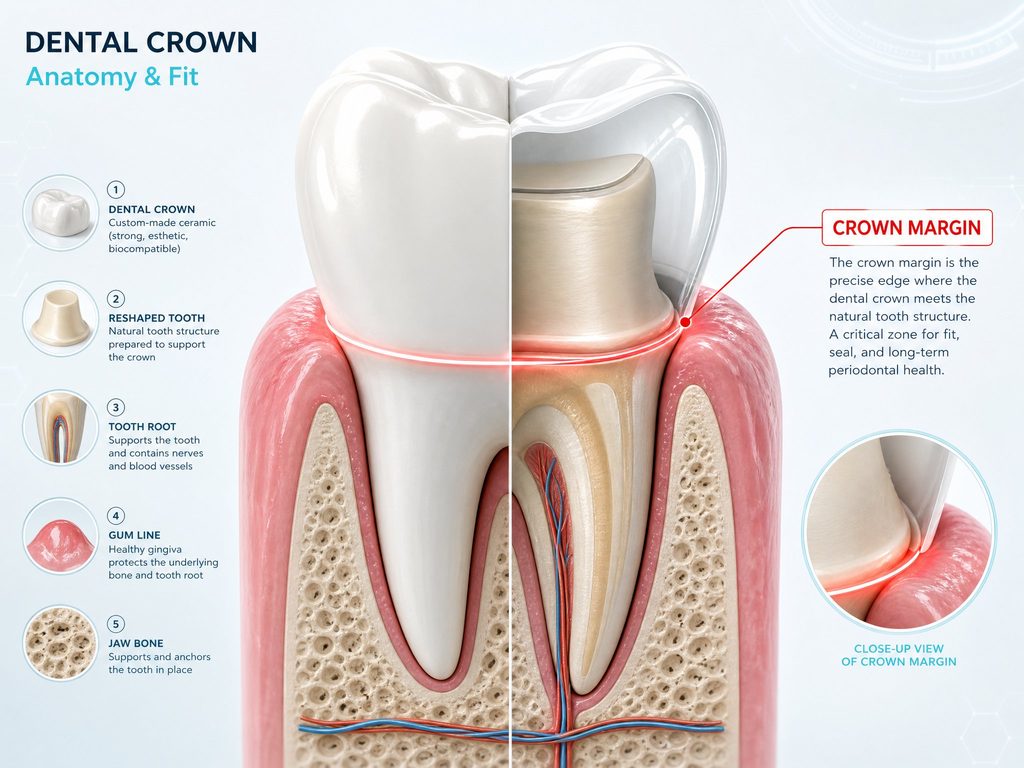
Nobody wants to hear “your crown failed.” Most of the time that’s not what’s happening. A cavity under a crown usually comes down to a handful of ordinary, almost boring reasons.
The natural tooth is still vulnerable
A crown covers a prepared tooth. It doesn’t replace the roots, and it doesn’t swap out every surface of tooth structure that sits near the gum. Plaque bacteria can still attack whatever natural tooth is exposed, especially around the edges.
Old fillings or earlier decay under dental crown can matter too. The tooth was already compromised before it got capped, which is often why it got capped.
And here’s one I’ll say loudly: a root canal isn’t a magic shield either. If somebody tells you “there can’t be a cavity, that tooth had a root canal,” that’s bad logic. A tooth without a living nerve can still decay. It just won’t tell you about it with pain.
Plaque can collect around the crown margin
Margins hide. Depending on where your dentist placed the edge, it may sit right at the gum line or tuck slightly below it, and the crown’s contour can make that area awkward to reach with a brush. Floss snags. Interdental brushes miss.
Brushing well helps a lot. It still doesn’t make the margin invincible.
The crown or tooth can change over time
Years of chewing do things. Teeth shift a hair. Gums recede and expose more root surface. A crown that fit beautifully on seating day can develop a tiny open margin, a gap between the crown and the tooth that bacteria can slip into.
Does age alone mean a crown is leaking? No. Some six-year-old crowns are spotless underneath, and some are hiding decay. You can’t tell by looking in the mirror, which is the whole problem.
Signs of decay under a crown worth asking about
Here’s the frustrating part. Early decay under a crown is often quiet. Dentists lean on exams and X-rays partly because the tooth won’t volunteer the news.
When it does, these are the changes worth mentioning at your next visit:
- New sensitivity to hot, cold, or sweet foods
- Discomfort when you bite or chew
- Food catching at the same crown edge again and again
- A crown that feels loose, chipped, or just different
- A visible dark area near the margin
- A lingering bad taste or odd smell around that tooth
- Nothing at all, which is still a reason to keep your routine checkups
Notice the word “worth asking about.” None of these confirms a cavity alone. Pain can come from gum problems, a cracked tooth, or irritation of the nerve. A dark edge might be plain staining. Bad taste has about a dozen causes.
Please don’t poke the margin with a pin or try to pry the crown up for a peek. You’ll only damage the seal, and you won’t see what you hope to see anyway.
What happens if decay develops under a crown?
It depends. I know that’s an annoying answer, but it’s the honest one.
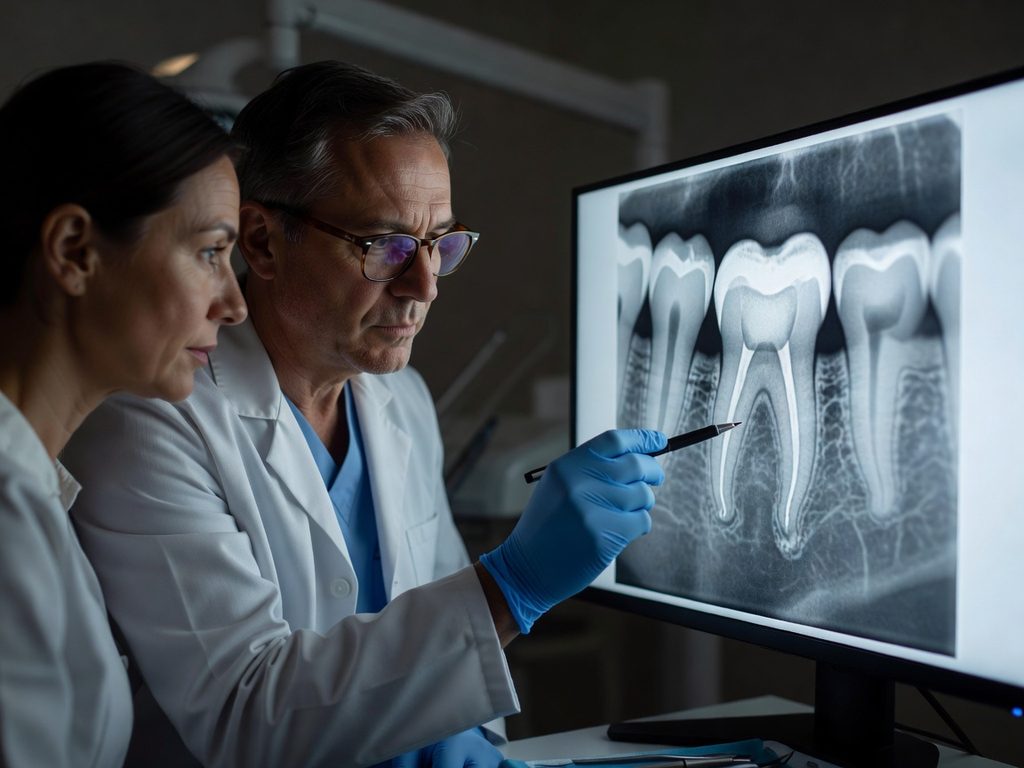
Your dentist will look at the crown, the remaining tooth, the gum health around it, and whatever symptoms you’ve noticed. X-rays often come into play because crown margin decay or underneath can hide from the naked eye. Research backs up how tricky this is: a PubMed comparison of clinical and radiographic findings is one of several studies showing that diagnosing secondary caries takes more than a quick glance.
From there, the path forks. A small spot at an accessible margin may be cleaned and filled without touching the rest. Larger or hidden decay might mean removing the crown to see what’s going on and treating the tooth beneath. If damage is extensive, the answer could be a new crown, a build-up, or a different treatment altogether.
What it doesn’t automatically mean? A root canal, extraction, or a wallet-draining replacement. Treatment depends on findings, and an old crown with a stained edge doesn’t need replacing just because it’s old.
Waiting does narrow your choices, though. Decay that reaches the nerve can turn into infection, and that’s when simple becomes complicated.
How to lower the risk of decay around a crown
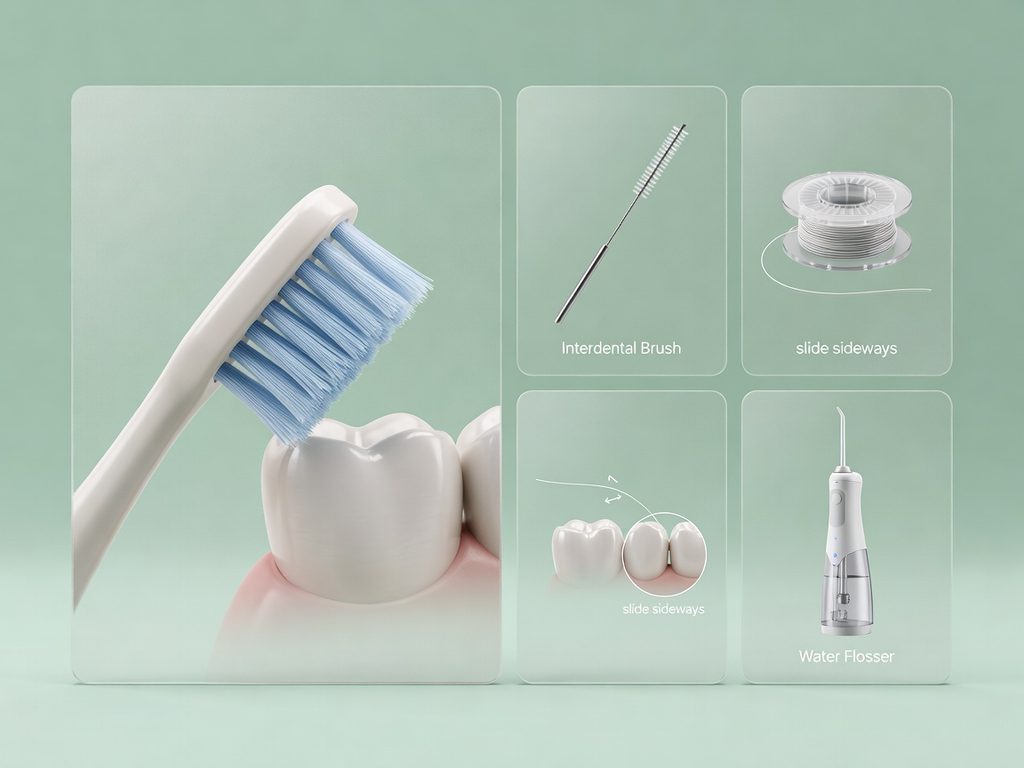
Good hygiene lowers risk. It can’t promise zero. Knowing that, here’s how I’d approach caring for teeth with crowns:
- Brush twice a day with fluoride toothpaste, angling the bristles toward the gum line
- Clean between teeth daily with floss or an interdental cleaner (flossing around a crown works best if you slide the floss out sideways rather than yanking up, which can catch the edge)
- Go gently. Scrubbing hard won’t clean better, it just wears your gums
- Cut down on frequent sugary snacks and sipped drinks, since constant acid exposure matters more than total sugar
- Keep up with exams on the schedule your dentist recommends
- Report new sensitivity, a loose crown, or repeated food trapping early
If cleaning around one particular crown feels impossible, say so. Your dentist or hygienist can suggest a different tool or technique. Sometimes it’s a small fix, like a water flosser or a tapered brush. Anyone wanting the bigger picture on materials and upkeep can find it in a fuller guide to dental crowns.
When should you book a crown check?
Book one if you notice sensitivity, discomfort, a loose or damaged crown, food that keeps getting stuck, or a change around the margin. Don’t wait for pain to make the decision for you. By the time it hurts, you’ve usually lost the easy options.
If the crown feels normal, keep your routine checkups going. You don’t need urgent treatment for a tooth that’s behaving.
Contact a dentist promptly if symptoms worsen or the crown comes loose or breaks. Severe pain or facial swelling needs urgent dental advice. Trouble breathing or swallowing, or swelling that’s spreading fast, is an emergency room situation. Don’t wait that one out.
If you’re near South Holland, Illinois, Dental Care 4 U can look at the crown, decide whether imaging makes sense, and explain your options in plain language. Noticed a change around your crown? Ask about an assessment.
Don’t assume a crowned tooth is problem-free
A crown protects a tooth. It doesn’t make the natural tooth underneath immune to decay, and a cavity under crown edges can grow quietly for a while. Changes near the margin deserve a look, though they don’t automatically mean the crown has failed.
Keep up the daily routine, keep the checkups, and call if something shifts.
Next up: read what shortens a crown’s life, and how to tell when yours needs looking at.
Frequently Asked Questions
Can a cavity form under a crown without pain?
Yes. Early decay often causes no pain or obvious symptoms. A lack of discomfort can’t confirm the tooth is healthy, which is a big reason routine dental examinations matter even when everything feels fine.
Does a dark line around my crown mean I have a cavity?
Not necessarily. Staining, the look of the crown material, gum changes, and decay can all appear similar to a patient. A dentist needs to examine the area before naming the cause.
Can a dentist see decay under a crown?
Sometimes. A dentist can inspect the crown and surrounding tooth, and may recommend X-rays when appropriate. Some areas can’t be fully assessed by eye alone, which is why imaging is part of the picture.
Does a cavity under a crown mean the crown must be replaced?
Not always. It depends on where the decay sits, how extensive it is, the condition of the crown, and how much healthy tooth remains. Your dentist can lay out the options after examining the tooth.
How can I prevent a cavity around my crown?
Brush with fluoride toothpaste, clean between teeth daily, limit frequent sugar exposure, and keep up routine dental visits. These steps reduce risk. They can’t eliminate it entirely.
Read More Articles
Dental Crowns in South Holland, IL: Types, Costs, Timeline and What to Expect
Same-Day Crowns in South Holland: One Visit, No Temporary Crown
What a Dental Crown Costs in South Holland: 2026 Price Ranges by Material
Broken or Lost Crown? Emergency Crown Repair in South Holland
Replacing an Old or Failing Crown: When It’s Time and What It Costs
Getting a Crown at Dental Care 4U: What Happens at Each Visit
Crown or Extraction? How We Decide Whether a Tooth Can Still Be Saved
Will Your Plan Cover a Crown? How to Check Before You Book
Paying for a Crown Without Dental Insurance in South Holland
Front Tooth Crowns in South Holland: Getting the Colour and Shape Right
Crowns for Children and Teens: Stainless Steel and Tooth-Coloured Options
Porcelain vs Zirconia vs Metal Crowns: Which One Actually Lasts
Same-Day vs Lab-Made Crowns: What You Trade for the Speed
Filling, Onlay or Crown: How Much Damage Changes the Fix
Crown or Veneer: Which One Your Front Tooth Actually Needs
Crown or Implant: When to Save the Tooth and When to Replace It
How Long a Crown Takes, Step by Step
Do You Need a Root Canal Before a Crown?
How Long Crowns Last and What Shortens Their Life
Does Getting a Crown Hurt? What the Numbing and Recovery Actually Feel Like
Choosing a Dentist for Crown Work in South Holland: What to Ask First
Why Your Tooth Hurts When You Bite Down
Cracked Tooth Syndrome: The Pain That Comes and Goes
What a Large Old Filling Does to a Tooth Over Time
Why Teeth Break: Grinding, Age and the Foods That Do It
Crown, Cap, Onlay: What the Words Your Dentist Used Actually Mean
Signs a Tooth Needs More Than a Filling
Chipped a Tooth? What to Do in the First 24 Hours