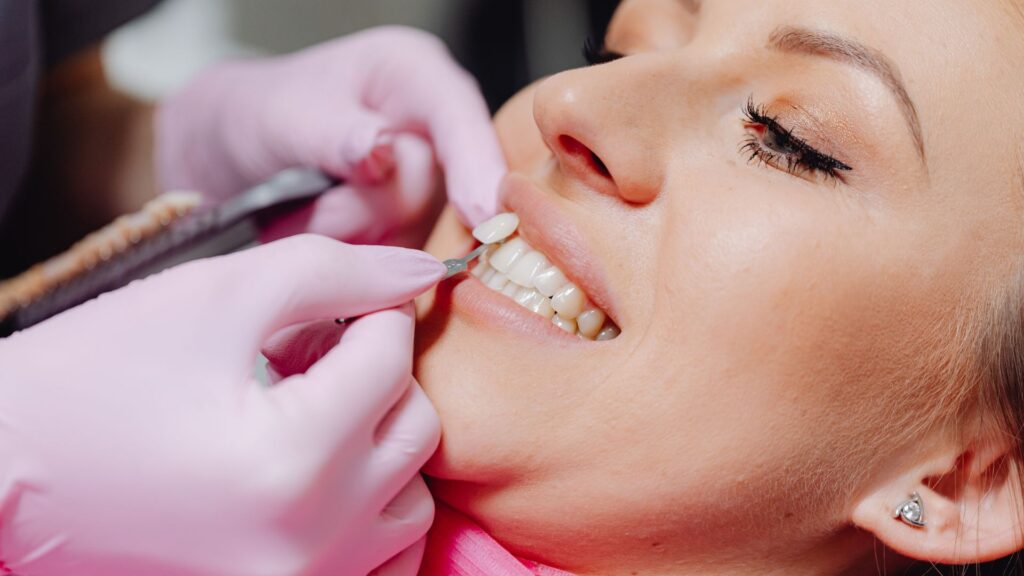
Does getting a crown hurt? Short answer: no, not really, not while it’s happening. The tooth gets numbed before the dentist touches it, so what you actually feel during a crown procedure is pressure, vibration, maybe a splash of water, and the low hum of dental tools working close to your ear. That’s it. Pain, the sharp kind that makes you grip the armrest, generally shouldn’t be part of the deal once the local anesthetic kicks in. What happens after the numbness fades is a different story, and that’s where most of the real questions live.
I get why people stall on this. Somebody mentions “reshaping the tooth” and your brain fills in the blanks with the worst possible image. So let’s walk through it properly, from the numbing shot to the days after, including the part nobody likes to admit: recovery isn’t always the clean, pain-free experience the brochures make it sound like.
Key Takeaways
- Does getting a crown hurt? Usually, no. Local anesthetic is used before the tooth is prepared, so most patients feel pressure, vibration, water, and noise rather than sharp pain during the procedure.
- Crown procedure pain is usually mild and manageable. The numbing injection may briefly sting or pinch, while some tenderness or sensitivity can occur after the appointment. Sharp pain during treatment should always be reported to the dental team.
- Dental crown recovery varies from person to person. Mild soreness and sensitivity often improve over the next few days, but worsening pain, swelling, a loose crown, or a noticeably uneven bite should be checked by a dentist.
Does getting a crown hurt, and what is dental crown recovery like?
Question: Does getting a crown hurt, and what is dental crown recovery like?
Answer: Getting a crown generally should not cause sharp pain during treatment because the tooth is numbed with local anesthetic first. You may feel a brief pinch from the injection, followed by pressure, vibration, water, and noise while the tooth is prepared. Afterward, mild tenderness or sensitivity can occur as the numbness wears off and usually trends downward over the next few days. If crown procedure pain becomes severe, worsens, or comes with swelling, a loose crown, or an unusual bite, contact your dentist. For patients with significant dental anxiety, sedation dentistry South Holland may be an option to discuss with the dental practice, depending on availability and whether sedation is appropriate.
What Does Getting a Crown Actually Feel Like?
Picture the appointment in order, because that’s honestly the best way to strip the fear out of it. First, the dentist numbs the area with a local anesthetic. You’ll feel a pinch, maybe a little pressure at the injection site, and then a spreading numbness that makes your cheek or tongue feel oddly heavy. The dentist checks that you’re fully numb before moving forward, which matters more than people realize. Rushing this step is exactly how patients end up feeling things they shouldn’t.
Once you’re numb, the tooth gets prepared, meaning the dentist shaves down enamel to make room for the crown. You’ll notice vibration, pressure, water, and noise. The handpiece sounds intense, borderline dramatic honestly, but the sound has almost nothing to do with what your nerve endings are actually registering, which should be nothing sharp. According to the Cleveland Clinic’s breakdown of what a dental crown involves, this reshaping step is standard and expected in the process, not a red flag.
After that comes the impression or digital scan, a measurement step more than anything painful, though physical impression material can feel bulky and strange in your mouth for a minute. Then, if it’s a same-day setup or you’re trying in a permanent crown at a second appointment, the dentist checks fit and bite. You might feel pressure as it’s seated or removed for adjustment. None of this should read as agony. Mild weirdness, sure. Sharp pain, no.
- Numbing and injection
- Tooth preparation and reshaping
- Impression or digital scan
- Temporary crown placement (if applicable)
- Crown try-in and bite check
Will the Numbing Injection Hurt?
This is usually the part people dread most, more than the crown itself, which is kind of funny when you think about it. The injection can sting or pinch briefly. Some patients barely notice. Others feel a jolt depending on where in the mouth the shot goes and how sensitive that particular nerve happens to be that day. It varies person to person, and honestly, tooth to tooth.
Important: feeling pressure during treatment is different from feeling sharp pain. If you feel sharp pain, tell the dental team rather than trying to push through it. That sounds obvious written out, but a surprising number of people white-knuckle through discomfort because they assume it’s supposed to feel like that. It’s not.
Does Preparing the Tooth for a Crown Hurt?
Reshaping is the step most patients imagine as the scary one, mostly because it involves a drill near a tooth, and that combination just sounds bad on paper. In practice, the local anesthesia is there specifically to block the pain signal from that tooth while the dentist works. What you’re left feeling is vibration, pressure, water spray, some movement, and noise. The sound of the equipment genuinely does more psychological damage than the physical sensation does.
| What you may notice | What you shouldn’t ignore |
|---|---|
| Pressure | Sharp or sudden pain |
| Vibration | Pain that persists despite numbing |
| Water or cool sensations | Anything that feels unexpectedly painful |
| Noise from dental tools | Increasing discomfort or anxiety mid-procedure |
I won’t tell you preparation is completely painless, because individual nerve sensitivity, jaw positioning, and how deep the decayed tooth or old filling goes can all shift the experience slightly. What I will say is that sharp pain during a numbed procedure is not something to just tolerate quietly.
What Happens After the Crown Appointment?
While your mouth is still numb, be careful. This is the window where people accidentally bite their cheek, lip, or tongue without realizing it, because there’s zero sensation telling them to stop. Stick to soft food, avoid hot drinks, and just wait it out before eating a full meal.
Once the numbness wears off, expect mild tenderness. The gum tissue around the crown might feel irritated from the injection or from the retraction cord used to keep it dry during the procedure. Your bite might feel slightly unfamiliar too, like the tooth is “new” or sitting a hair differently than before, which is normal while your brain recalibrates to the new restoration.
Over the next few days, that soreness should trend downward, not upward. Here’s the thing worth sitting with though, and it’s something the glossy dental marketing tends to skip: recovery isn’t always a clean off-switch where discomfort just vanishes on schedule. Some patients describe a lingering ache, tender gums when flossing, or a tooth that feels weirdly sensitive for longer than expected. That doesn’t automatically mean something went wrong, but it does mean you should pay attention to the trend rather than assume every twinge is fine because a pamphlet said so.
How Long Does Crown Pain or Sensitivity Last?
There’s no universal stopwatch here. Mild soreness and sensitivity often ease up within a couple of days, according to Colgate’s overview of what to expect after a crown, though temperature sensitivity specifically can hang around for up to two weeks while the nerve inside the tooth settles. The condition of the tooth going in matters a lot here. A crown placed over a tooth that needed a root canal behaves differently than one placed on a tooth with minimal decay.
Think trend, not a stopwatch. Improving discomfort, even slowly, is a good sign. Discomfort that plateaus or worsens after several days is the thing worth flagging, according to Healthline’s clinical explanation of crown-related pain causes.
When Is Pain After a Crown a Reason to Call the Dentist?
Call your dentist if:
- Pain is severe or getting worse instead of better
- Discomfort isn’t improving after several days
- You notice significant swelling in the gum or jaw
- The crown feels loose, shifted, or has come off entirely
- Your bite feels distinctly wrong, like one spot hits before the rest
- Anything just feels off in a way that concerns you
A dentist can’t diagnose the cause over the phone from a description alone, an exam is usually needed to figure out whether it’s a high bite, nerve irritation, or something else entirely. If you’re dealing with facial swelling that affects breathing or swallowing, that’s not a “wait for Monday” situation, that needs urgent care immediately.
What If You’re Afraid of the Crown Procedure?
If the fear is the actual obstacle, not curiosity about sensations, then the fix isn’t more information, it’s communication with the people doing the work. Tell the practice you’re anxious before you sit in the chair. Ask the dentist to narrate each step before doing it. Agree on a hand signal that means “pause for a second.” Ask for extra time if being rushed makes the anxiety worse. Bring headphones if that helps you disconnect from the noise.
“I’m nervous about dental treatment. Can you allow extra time and talk me through each step?” That’s a completely reasonable thing to say when booking, and honestly, most practices would rather hear it upfront than deal with a patient frozen in the chair.
Does Sedation Help With Dental Anxiety?
Local anesthetic and sedation aren’t the same tool doing the same job. Local anesthetic numbs the tooth and surrounding tissue so the physical sensation of pain is blocked. Sedation dentistry addresses the anxiety layer, the racing heart, the white knuckles, the dread that starts the night before. Nitrous oxide, sometimes called laughing gas, wears off quickly enough that patients can typically drive themselves home. Oral or IV sedation goes deeper for moderate-to-severe anxiety, keeping the patient conscious but noticeably detached from what’s happening.
| Option | Main purpose |
|---|---|
| Local anesthetic | Numbs the treatment area |
| Anxiety-management techniques | Helps the appointment feel more manageable |
| Sedation, when appropriate | May reduce anxiety and improve tolerance of treatment |
I’ll be blunt here too: sedation isn’t a magic reset button. Even sedated patients often describe the aftermath as something they’re still paying for later, sore jaw, achy tooth, a body that clearly went through a procedure even if the memory of it is fuzzy. If a provider frames sedation as a guarantee of zero aftereffects, that’s an overly optimistic script, not reassurance.
What Can You Do to Make a Crown Appointment Easier?
A short checklist helps more than people expect:
- Tell the practice you’re nervous when you book
- Ask roughly how long the appointment will run
- Eat beforehand if instructions allow it
- Wear something comfortable
- Decide on a stop signal ahead of time
- Ask your questions before treatment starts, not mid-procedure
- Block off some downtime afterward in case you’re sore or tired
- Follow whatever post-treatment instructions your dentist gives you
Frequently Asked Questions
Does getting a crown hurt while the dentist is working? Generally no, the tooth is numbed beforehand, so you’ll notice pressure, vibration, and noise rather than sharp pain. Speak up immediately if that changes.
How painful is a crown after the numbness wears off? Some tenderness or sensitivity is common, though it varies by patient and by tooth. Symptoms that worsen instead of ease deserve a closer look.
How long does dental crown recovery take? There’s no fixed number of days. Recovery depends on the tooth’s condition and the extent of the work, so watch the overall trend rather than counting days.
Can I ask for sedation if I’m scared of getting a crown? You can ask, but availability depends on the practice and whether you’re a suitable candidate. Bring it up during your consultation.
What if I’m still nervous after reading about the procedure? Tell your dental team before the appointment. Ask for a step-by-step walkthrough and agree on a signal that means “give me a second.”
The Bottom Line
A crown procedure typically involves sensation, not pain, thanks to local anesthesia doing its job during treatment. Recovery might bring a few days of tenderness or sensitivity, and that’s normal within reason, but it’s not something to just white-knuckle through silently if it worsens. Speak up about anything sharp, anything persistent, anything that feels wrong. If fear has been the actual thing keeping you from booking, saying so out loud changes how the whole appointment gets handled.
Tell us you’re nervous when you book, we can schedule extra time and talk through each step as we go.