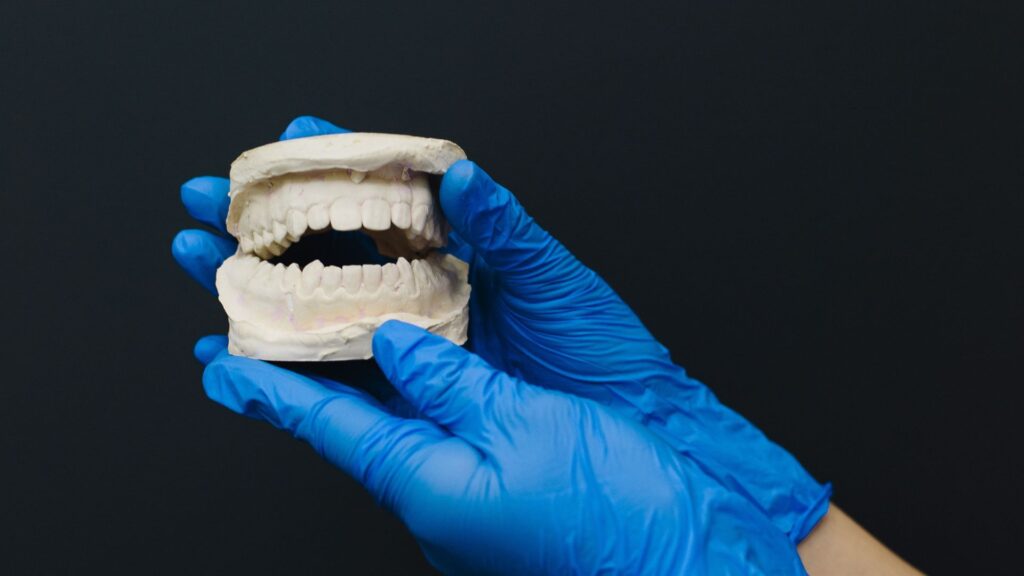
Most people don’t actually want to know how a crown gets made. They want to know one thing: how many days out of their life is this going to eat, and can they still make it to their kid’s soccer game on Thursday. Fair enough. So here’s the direct answer before anything else. A single crown appointment usually runs somewhere between 60 and 90 minutes for the preparation visit, and 20 to 45 minutes for the final placement, but the whole treatment, start to finish, can stretch anywhere from one afternoon to about three weeks depending on which pathway your dentist uses.
That gap between “chair time” and “total treatment time” trips up more patients than anything else in this process. You might spend under two hours actually sitting in a dental chair for the entire crown, yet the calendar span between your first visit and your last could be twenty days. Neither number is wrong. They’re just answering different questions, and knowing which one you’re asking is half the battle when you’re trying to plan around work or travel.
Key Takeaways
- How long does a dental crown take? A traditional crown can take anywhere from about one to three weeks from preparation to final placement, while a same-day crown may be completed in one appointment.
- The dental crown procedure steps usually include an examination, tooth preparation, impressions or digital scanning, temporary crown placement, laboratory fabrication, and final crown placement. The exact sequence depends on your tooth and the type of crown.
- The crown appointment length varies by visit. A preparation appointment commonly takes about 60 to 90 minutes, while a final placement appointment may take approximately 20 to 45 minutes. A two visit crown process generally requires additional calendar time because the permanent crown must be fabricated between appointments.
How Long Does a Dental Crown Take?
Question: How long does a dental crown take from start to finish?
Answer: A dental crown can take anywhere from one appointment to several weeks, depending on the type of crown and whether additional dental treatment is needed. A traditional crown usually involves two visits: the first appointment prepares the tooth and places a temporary crown, while a dental laboratory makes the permanent crown. The second appointment, typically one to three weeks later, involves checking and permanently placing the crown.
Same-day crowns can often be designed, milled, and placed during one appointment lasting roughly two to four hours. Root canal treatment, extensive decay, gum problems, laboratory delays, or other complications can make the overall timeline longer.
How Long Does a Dental Crown Take From Start to Finish?
There isn’t one universal timeline because there isn’t one universal crown. A crown, for anyone who needs the refresher, is a cap that fully covers a damaged or weakened tooth, restoring its shape, strength, and bite function, and the American Dental Association explains that it’s often used after large fillings fail, after root canal treatment, or to protect a tooth that’s cracked but salvageable. What changes the timeline is how that crown gets made and by whom.
Broadly, patients fall into three lanes. First, there’s the traditional route: exam, tooth preparation, temporary crown, then a wait while an outside dental lab fabricates the permanent restoration, followed by a second visit for placement. Second, there’s the same-day route, where in-office milling equipment designs and mills a ceramic crown while you wait, cutting the whole thing down to a single visit. Third, some patients need something extra first, like a root canal or gum treatment, before a crown can even be considered, which adds a whole stage nobody warns you about at the initial consultation.
| Crown pathway | Appointments needed | What affects the timing |
|---|---|---|
| Lab-made crown (traditional) | Usually two visits | Lab fabrication window, tooth condition, temporary crown fit |
| Same-day crown | Often one visit | In-office milling technology, whether the case qualifies |
| Additional treatment required | Three or more visits | Root canal, decay removal, gum health before restoration |
I’ll be blunt: not every dentist has same-day milling, and not every tooth is a good candidate for it even if the equipment exists. Molars with heavy bite forces, teeth needing custom shading to match a front-facing smile, or cases involving metal or porcelain-fused-to-metal crowns often still go the traditional lab route, because certain materials just aren’t millable chairside the way solid ceramic blocks are.
Step 1: Examination and Treatment Planning
Nobody drills into a tooth on day one without looking at it first, and honestly, that’s the appointment most people forget to count when they’re estimating how long “getting a crown” will take. This visit usually involves an exam of the tooth, a look at your dental history, X-rays if the dentist needs to see below the gumline, and an honest conversation about whether a crown is even the right call versus a large filling or an onlay. Cleveland Clinic notes that crowns are typically recommended when a tooth has lost enough structure that a filling alone won’t hold, which is exactly the kind of judgment call that needs its own unhurried appointment.
Before you block off your calendar for tooth prep, ask the front desk a few things:
- Is this visit an exam only, or will treatment start the same day?
- Will X-rays be taken, and does that add time?
- If treatment does begin, how long should I plan to be there?
- Will I need a follow-up before the crown prep even starts?
Some offices combine exam and prep into one long appointment. Others split them deliberately, especially if imaging suggests something more complicated is going on underneath the enamel.
Step 2: Preparing the Tooth for the Crown
This is the visit people picture when they think “getting a crown,” and it’s usually the longest single appointment in the whole process, typically 60 to 90 minutes. First comes a local anesthetic, and it’s worth knowing that numbing agents generally take around ten minutes to take full effect, so don’t be surprised if there’s a short pause before the actual work starts, as Colgate’s breakdown of dental anesthesia points out.
From there, the dentist removes any decay or failing material, shapes the remaining tooth structure so the crown has room to sit flush, and if a large chunk of the tooth is missing, builds it back up with a composite core first. How much enamel gets filed away actually depends on the crown material you’re getting.
Colgate’s procedure guide explains that ceramic crowns often need more reduction for strength and aesthetics, while gold and other noble metal options require more conservative shaving because the material itself holds up thinner, as Verywell Health notes in its look at gold crowns. Once shaping is done, an impression gets taken, either the old-school putty tray or a digital scanner, and if you’re going the lab route, a temporary crown gets cemented on to protect the tooth while you wait.
Appointment length here swings based on a handful of things: which tooth it is (back molars tend to take longer than front teeth), how much decay had to be cleared out, whether a build-up was needed, and whether this tooth already has a filling or old crown complicating things.
Step 3: Waiting for the Final Crown
Here’s the part that happens nowhere near a dental chair. If you’re going the traditional route, your impression gets sent off to dental technicians at an outside lab, and fabricating a custom crown typically takes a Healthline reports as a one-to-two week interval, though some offices quote closer to three weeks depending on the lab’s workload and the crown material chosen. Your temporary crown, meanwhile, is doing double duty protecting the prepped tooth from temperature sensitivity and keeping neighboring teeth from drifting into the gap, a point Colgate covers well when explaining why that flimsy-feeling cap actually matters more than patients assume.
If your practice offers same-day crown technology instead, this whole waiting stage basically disappears. The Mayo Clinic News Network describes how digital scanning and in-office milling machines can design and carve a ceramic crown from a solid block in under an hour while you’re still in the building. It’s genuinely impressive when it applies to your case, but it doesn’t apply to everyone, so don’t walk in expecting it unless your dentist has already confirmed you’re a candidate.
Before leaving your prep appointment, get the final placement date on the books. Don’t leave it as “we’ll call you.”
Step 4: Getting the Permanent Crown Placed
The second visit moves faster. The dentist removes the temporary crown, cleans off leftover cement, and does what’s essentially a dry run: setting the permanent crown in place without adhesive to check the margins along your gumline, the tightness against neighboring teeth, and the color match if it’s a visible tooth. Then comes the bite check, biting down naturally so the dentist can spot high points and shave them down until things feel even.
Once everything lines up, both the tooth and the inside of the crown get treated, the permanent cement goes in, and the crown gets seated and hardened, often with a curing light, a sequence Colgate details in its recementing guide. Excess cement gets scraped away and you’re done. This visit usually clocks in at 20 to 45 minutes, noticeably shorter than the prep appointment, though complex bite adjustments can stretch it out.
One-Visit vs Two-Visit Crowns: What Actually Changes
The one-visit option compresses evaluation, prep, digital design, milling, and placement into a single appointment, usually two to four hours total according to Healthline’s overview of same-day crowns. No temporary crown needed, no second trip. That’s a real win if your schedule is tight, but it isn’t automatically offered for every tooth, and solid ceramic milled chairside isn’t quite the same material category as a lab-fired porcelain-fused-to-metal crown, which still requires outside fabrication.
| One-visit pathway | Two-visit pathway | |
|---|---|---|
| Main advantage | Fewer scheduled visits | More flexibility in material and lab workflow |
| Temporary crown | Usually not needed | Common, protects tooth during lab turnaround |
| Calendar impact | Simpler, one day | Requires a return trip 1-3 weeks later |
| Availability | Depends on practice equipment and case | Widely available |
How Much Time Should You Actually Take Off Work?
This is the question people actually care about, and it deserves a straight answer instead of a vague “ask your dentist.” Four things determine it: how long you’ll be in the chair, whether you need to arrive early for paperwork or imaging, whether local anesthetic will leave your mouth numb afterward, and whether you’ll feel comfortable heading straight into meetings. Numbness from a local anesthetic can linger for a couple hours post-procedure, which is honestly reason enough to skip scheduling anything important right after.
If sedation is involved, plan for someone to drive you and skip work entirely that day. If it’s a straightforward prep or placement visit with just local anesthetic, plenty of patients go back to their desk that afternoon, though I’d still block a buffer window rather than cutting it close.
Can You Eat, Work, and Travel After a Crown?
Eating right after the appointment is mostly a numbness issue, not a crown issue. Bite your cheek without realizing it and you’ll understand why dentists tell you to wait until sensation returns before chewing anything. Temporary crowns come with their own rules too, usually avoiding sticky or hard foods that could pop the cap loose, something WebMD’s guide to temporary crowns covers if you want specifics.
Mild sensitivity to hot or cold after placement is normal and usually settles within a couple weeks, according to Verywell Health’s rundown on post-crown sensitivity. Exercise is generally fine unless you had additional treatment or sedation, in which case defer to whatever your dentist told you on the way out. Travel is really the one that needs actual thought. If you’re mid-treatment with a temporary crown in place, or you’ve got a follow-up bite check scheduled, going somewhere without easy dental access for two weeks is asking for trouble if that temporary pops off. Mention any upcoming trips before you even book the prep appointment.
What Can Make a Crown Take Longer?
A longer timeline doesn’t mean something went sideways. It usually just means your tooth needed more groundwork before it could hold a crown reliably. Common culprits include:
- Significant decay requiring extensive cleanup before shaping can begin
- A root canal, which Verywell Health’s research on post-endodontic restoration shows meaningfully improves long-term tooth survival when the crown follows promptly
- Gum inflammation that needs to settle before an accurate impression can be taken
- Laboratory delays or a temporary crown that comes loose and needs re-cementing
- Bite adjustments that take more than one round to get right
None of this is dramatic. It’s just biology being biology, and a crown properly placed under the right conditions tends to last, with PFM and metal-ceramic crowns showing an average lifespan of 15 to 20 years in peer-reviewed clinical data, which is honestly a decent trade for a few extra days of waiting.
How to Plan Your Crown Treatment Before You Book
Walk into your consultation with a short list of questions and you’ll save yourself a surprise phone call three weeks in. Ask whether the appointment ahead of you is an exam or actual treatment, how many total appointments the dentist expects, how long each one runs, whether you’ll leave with a temporary crown, and what could realistically push the timeline out. Mention your work schedule, childcare, or any travel dates upfront rather than after the prep work is already done. And before you leave that first treatment visit, get the final placement date locked into the calendar instead of leaving it open-ended.
Bottom Line
Ask whether your case is one visit or two before you assume anything. Reserve the actual chair time your dentist recommends, not some average you read online. Build in a little buffer for numbness, and if a temporary crown is part of the plan, get that second appointment booked before you walk out the door. Every tooth is a little different, and the timeline that matters most is the one your dentist gives you after actually looking inside your mouth.
FAQ
How long does a dental crown appointment take?
A crown preparation appointment typically takes about 60 to 90 minutes, while the final placement may take around 20 to 45 minutes. The exact crown appointment length depends on the condition of the tooth, the type of crown, and whether additional treatment is needed.
Can a dental crown be completed in one day?
Yes. Some dental offices offer same-day crowns using digital scanning and in-office milling technology. If you’re a suitable candidate, the tooth can be prepared, the crown designed and made, and the permanent restoration placed during one extended appointment.
How many appointments do you need for a traditional crown?
A traditional crown usually requires two appointments. During the first, the tooth is prepared, an impression or digital scan is taken, and a temporary crown is placed. The permanent crown is then fitted and cemented during the second visit after the laboratory has completed it.
Can you work after getting a dental crown?
Many people can return to work after a routine crown appointment, particularly when only local anesthetic is used. However, your mouth may remain numb for a couple of hours, so it’s best to avoid eating until normal sensation returns and to allow some flexibility in your schedule.
Why might a crown take longer than expected?
A crown may take longer when the tooth needs a root canal, extensive decay removal, a buildup, gum treatment, or additional adjustments. Laboratory turnaround times and temporary-crown issues can also extend the two visit crown process beyond the expected timeline.