You catch your reflection in a coffee shop window, or maybe it’s just the bathroom mirror after brushing, and there it is again. That faint yellow tinge you swear wasn’t there last year. So you brush harder. Maybe you grab some whitening strips off the shelf. And somehow, the color barely budges.
Here’s the honest answer: teeth turn yellow because of a mix of surface staining, natural aging, and sometimes something happening beneath the enamel that brushing simply can’t touch. It’s rarely one single cause. Usually it’s two or three things layering on top of each other, which is exactly why the “just brush more” advice falls flat for so many people.
When talking to dentists who see this confusion constantly. Someone comes in convinced their oral hygiene routine has failed them, when really, their enamel is just doing what enamel does after three decades of coffee, tea, and the occasional glass of red wine. The frustration is real. So is the fix, in most cases, once you understand what you’re actually dealing with.
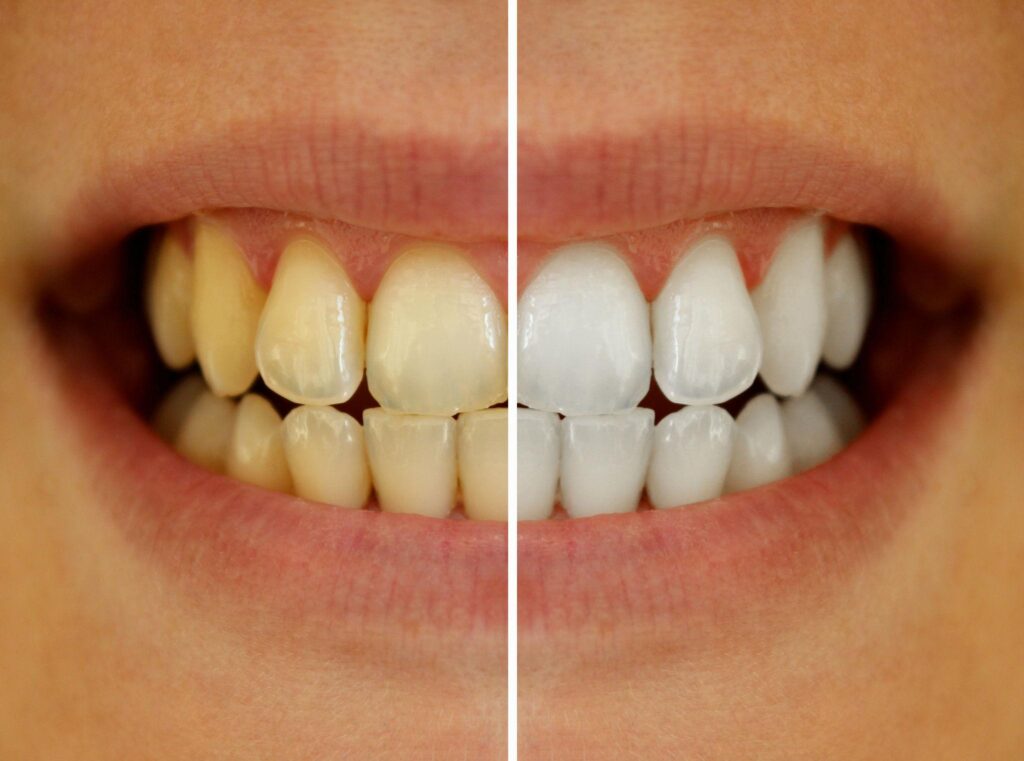
3 Key Takeaways
- Yellow teeth are usually caused by a combination of staining, aging, and natural tooth structure rather than poor brushing alone.
- Surface stains from coffee, tea, wine, and tobacco often improve with whitening, while deeper discoloration may require other cosmetic treatments.
- Sudden discoloration of a single tooth or yellowing accompanied by pain or sensitivity should be evaluated by a dentist.
Why are my teeth yellow, and can they become white again?
Question: Why are my teeth yellow, and can they become white again?
Answer: Yellow teeth are most often caused by a combination of surface stains, natural aging, tobacco use, or changes beneath the enamel. While many surface stains respond well to whitening, deeper discoloration from aging, trauma, or childhood factors may require professional evaluation to determine the most effective treatment.
What “Why Are My Teeth Yellow?” Really Means
Teeth were never meant to be blinding white, by the way. Natural tooth color runs a spectrum from pale ivory to a soft yellowish-gray, and that baseline varies person to person based on genetics alone. What changes over time is how much of that natural shade gets covered up, or exposed, by outside factors.
Some yellowing is just the calendar doing its thing. Some of it comes from what you eat and drink daily. And some discoloration sits stubbornly on the surface no matter how good your hygiene is, because staining compounds don’t respond to brushing the way food debris does. Not every yellow tooth is the same yellow tooth, and that distinction matters more than most people realize when it comes to fixing it.
The Most Common Causes of Yellow Teeth
Let’s get into specifics, because “it depends” isn’t useful without context. Dental researchers have actually studied this pretty extensively, and a few culprits show up again and again.
Surface Stains from Food and Drinks
Coffee stains on teeth are probably the single most common complaint dentists hear, and for good reason. Coffee, black tea, red wine, dark sodas, and even berries carry pigmented compounds called chromogens that cling to the microscopic ridges in enamel. Interestingly, some research on coffee stains on teeth suggests medium roast coffee causes more discoloration than either light or dark roasts, which surprises most people who assume darker roast automatically means darker stains. Black tea, meanwhile, tends to stain even more aggressively than coffee thanks to its higher concentration of tannin-like compounds called theaflavins.
Natural Aging
Enamel thins as you get older. That’s just biology. Underneath that enamel sits dentin, which has a naturally yellowish hue, and as the outer layer wears down, more of that dentin peeks through. It’s not a hygiene failure. It’s closer to how skin changes texture with age. Annoying, sure, but expected.
Tobacco Use
Smoking and chewing tobacco leave tar and nicotine residue that binds to enamel in a way that’s notoriously hard to reverse with regular brushing. This kind of staining tends to be deeper and more yellow-brown than typical dietary staining, and it often requires professional intervention to meaningfully lighten.
Certain Medications or Childhood Factors
Some antibiotics, tetracycline being the classic example, can cause internal staining if taken during childhood while teeth are still developing. Fluorosis, which happens from excess fluoride exposure in early childhood, can also leave teeth looking mottled or yellowish-brown. These causes are less common than dietary staining, but they explain why some people have discoloration that seems to have “always been there.”
Dental Problems That May Affect Tooth Color
Occasionally, yellowing (or darkening) isn’t cosmetic at all. Tooth trauma can cause the internal pulp to die off, which often turns a single tooth gray, yellow, or even black over time. Untreated decay and worn enamel from grinding can also shift color in ways that aren’t purely surface-level. If only one tooth suddenly changes shade while the rest stay consistent, that’s worth getting checked rather than ignored.
| Cause | Common Appearance | May Respond to Whitening? |
|---|---|---|
| Coffee, tea, wine stains | Yellow-brown surface tint | Often yes |
| Natural aging | Gradual yellowing, dulling | Sometimes, modestly |
| Tobacco use | Deep yellow-brown, stubborn | Partially, usually needs professional care |
| Childhood medication/fluorosis | Mottled, banded discoloration | Rarely, may need alternative cosmetic options |
| Tooth trauma or pulp damage | Single darkened tooth | No, requires dental evaluation |
When Yellow Teeth Are Mostly Cosmetic vs. When to See a Dentist
Most yellowing falls squarely into the cosmetic bucket. It’s annoying, it affects your smile confidence, but it isn’t a health emergency. That said, a few situations deserve an actual dental exam rather than another round of whitening strips.
See a dentist if one tooth suddenly darkens compared to its neighbors, if the discoloration follows any kind of injury or impact, if you’re noticing sensitivity or pain alongside the color change, or if spots or discoloration seem to be spreading quickly. Those patterns can signal something happening inside the tooth, not just on its surface, and whitening products won’t touch that. For anyone dealing with unexplained sensitivity alongside color changes, it’s worth reading through what causes tooth sensitivity separately, since the two issues sometimes overlap.
What a Dentist Looks for During an Exam
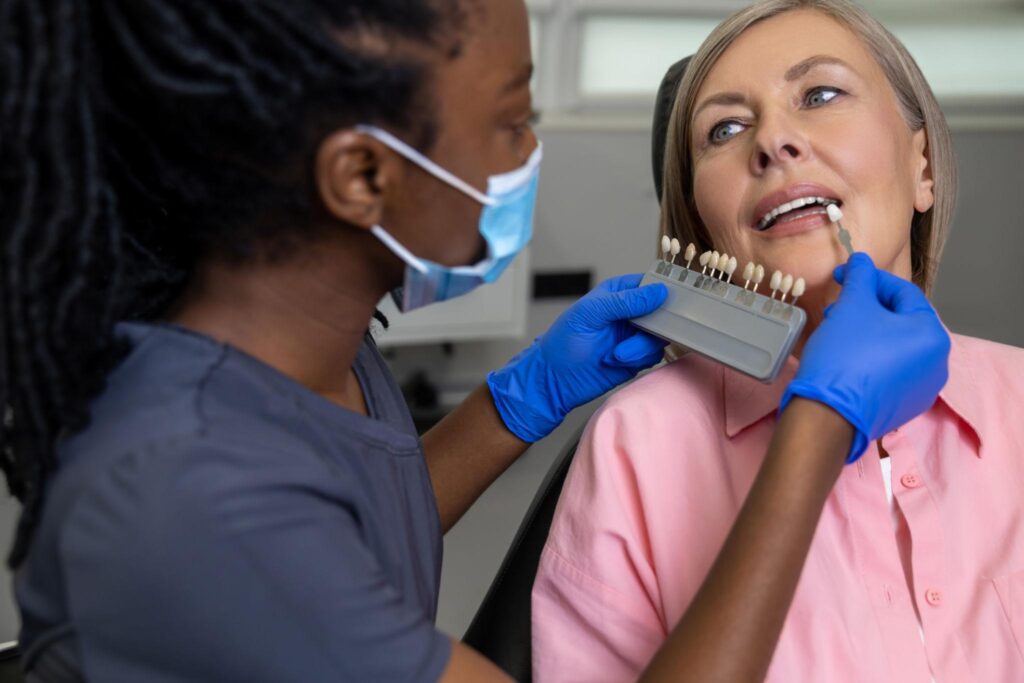
Walking into a dental office for a whitening consultation isn’t just “here, bleach my teeth.” A dentist, someone like Dr. Raj Khurana at a family practice, will typically review your dental and medical history first, since certain conditions or medications change what’s realistic. They’ll look at the type of stain, because extrinsic stains sitting on enamel behave completely differently than intrinsic discoloration coming from within the dentin.
Existing fillings, crowns, or veneers matter too. Whitening agents don’t change the color of dental restorations, so a tooth with a crown next to a freshly whitened natural tooth can end up looking mismatched. Gum health and sensitivity levels also factor into what strength of whitening treatment makes sense. The honest truth here: not every type of discoloration responds equally, and a good exam sets realistic expectations before you spend money on a product that was never going to work for your specific case.
What You Can Do at Home
Prevention matters more than most people give it credit for, even if it won’t reverse years of existing staining. A few habits genuinely make a difference over time.
- Brush twice daily and floss every single day, since plaque buildup along the gumline traps staining compounds your toothbrush can’t reach on its own
- Rinse with water right after coffee or tea to reduce how long pigments sit against enamel
- Limit frequency of staining beverages rather than eliminating them entirely, since it’s repeated exposure that does the damage
- Use a whitening toothpaste formulated for stain removal rather than one focused purely on mint flavor and fresh breath
- Avoid tobacco products, since their staining effect tends to compound quickly and resist typical whitening
None of this reverses years of buildup instantly. Home whitening products can genuinely help with mild surface staining, but the results tend to be more modest and slower than what professional treatment achieves, mostly because the whitening concentration allowed in over-the-counter products is intentionally limited for safety reasons.
When to Visit Dental Care 4 U in South Holland
If you’re staring at your smile in frustration, wondering why won’t my teeth get white despite doing everything “right,” it might be time for an actual evaluation rather than another guess. Dental Care 4 U in South Holland can take a look at what’s actually causing your discoloration, walk through realistic whitening options, and figure out whether your case responds better to professional treatment, at-home maintenance, or some combination of both. No promises of movie-star results here, just an honest look at what’s achievable for your specific teeth.
Want to learn which whitening option may fit your smile? Read through our breakdown of professional versus at-home teeth whitening before your next appointment, or reach out directly to talk through your options.
Dental Care 4 U 16270 Prince Dr. South Holland, IL 60473 (708) 333-2213
Frequently Asked Questions
Is yellow teeth something I should worry about?
In most cases, no. Yellow teeth are a cosmetic concern rather than a sign of disease. Sudden discoloration affecting just one tooth, or discoloration paired with pain, is the exception worth getting checked.
Can yellow teeth become white again?
Surface stains often improve with professional or at-home whitening. Deeper discoloration behaves differently and sometimes needs alternative cosmetic approaches rather than standard whitening products.
When should I see a dentist about yellow teeth?
Schedule an evaluation if discoloration appears suddenly, affects a single tooth, comes with sensitivity, or if you’d simply like an expert opinion on whether whitening will actually work for your situation.
Why won’t my teeth get white even after brushing?
Brushing clears plaque and some light surface debris, but it was never built to change your tooth’s underlying color or dissolve deeper staining. A dental evaluation identifies what type of discoloration you’re actually dealing with, which is the only way to know what treatment has a real shot at working.