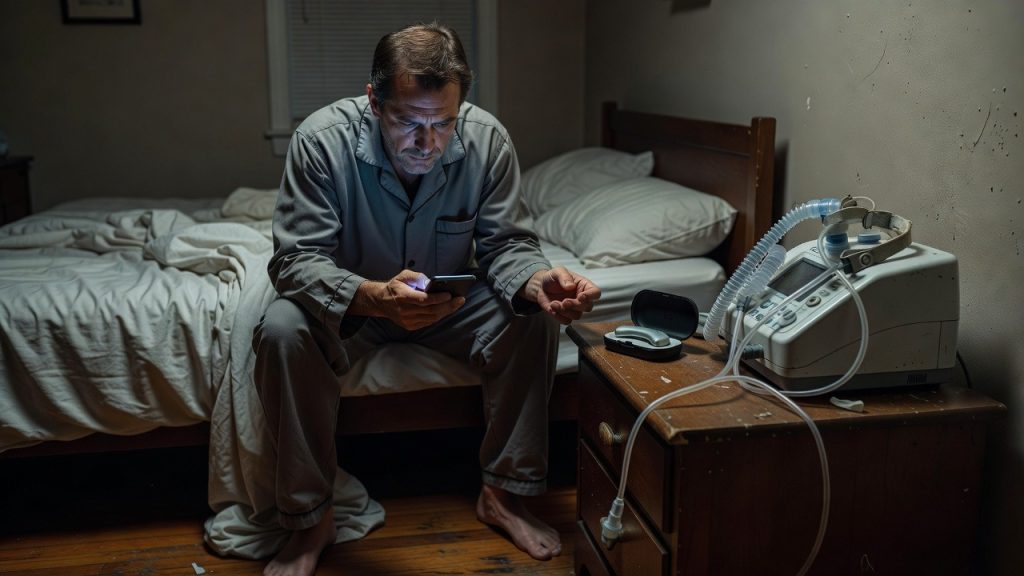
Most people don’t quit CPAP because the therapy stopped working. They quit because sleeping with a machine strapped to their face, every single night, for the rest of their life, is genuinely hard to sustain. That’s the real story behind the oral appliance vs CPAP conversation — not which one looks better on a spec sheet, but which one you’ll actually use when the alarm goes off at 6 a.m. and you’re calculating how many hours of real sleep you got.
For patients dealing with obstructive sleep apnea, the stakes here aren’t small. Untreated OSA is linked to elevated blood pressure, cardiovascular strain, chronic fatigue, and a measurably shorter life expectancy. So the treatment you choose matters enormously — but only if you stick with it long enough to benefit.
The American Academy of Sleep Medicine is clear: CPAP remains the gold standard for moderate-to-severe OSA, full stop. Oral appliance therapy, however, is recognized as a clinically legitimate first-line option for mild-to-moderate cases and a serious alternative for patients who can’t tolerate PAP therapy. That distinction is important. This isn’t a situation where both options are equally interchangeable across the board.
What CPAP Actually Does
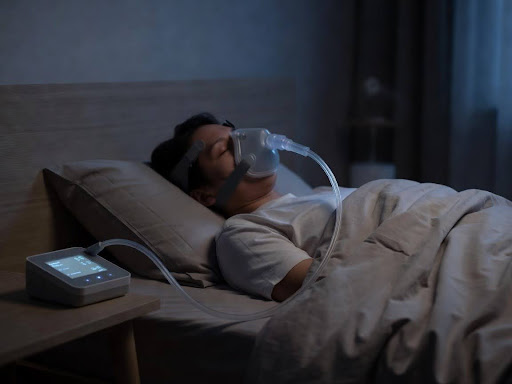
Continuous Positive Airway Pressure works exactly the way the name sounds. A machine generates a continuous stream of pressurized air, delivered through a mask, that physically holds your airway open throughout the night. No jaw positioning tricks. No relying on anatomy or fit. Just constant, mechanical pressure that prevents the airway from collapsing — which is the core physiological event in obstructive sleep apnea.
That mechanical reliability is exactly why so many physicians default to prescribing it, especially when the apnea-hypopnea index (AHI) is high. The AHI measures how many breathing interruptions or pauses occur per hour of sleep, and CPAP is unmatched at driving that number down toward zero. For patients with severe OSA — an AHI above 30 events per hour — there’s still no oral device that consistently matches what PAP therapy achieves on that metric.
The brutal downside is adherence. Studies suggest somewhere between 30% and 50% of CPAP users abandon treatment, often within the first few months. Mask leaks, pressure discomfort, claustrophobia, noise — these aren’t minor inconveniences for everyone. Some people genuinely cannot adapt. And a CPAP machine sitting on the nightstand unused doesn’t treat anything.
What an Oral Appliance Does (and How It’s Different)
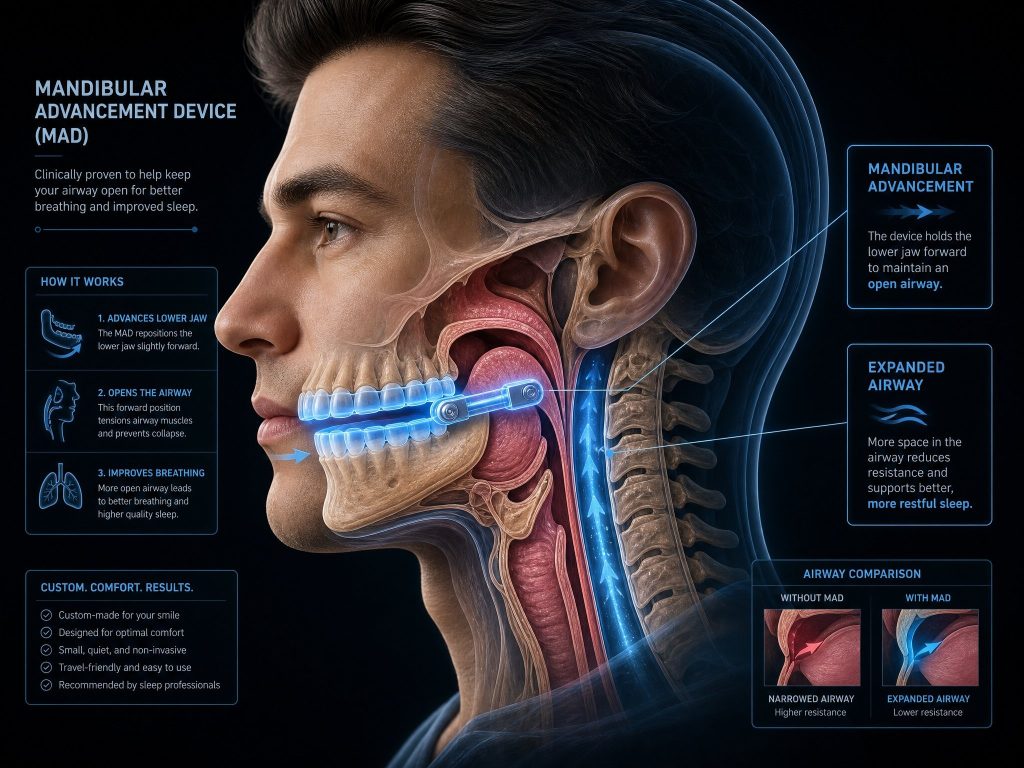
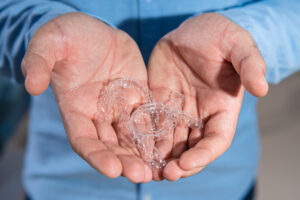
A dental device for sleep apnea — most commonly a mandibular advancement device (MAD) — works by physically repositioning the lower jaw slightly forward during sleep. That forward positioning creates more space in the upper airway, reducing the likelihood of collapse. Some devices also incorporate tongue retention, holding the tongue forward rather than shifting the jaw.
What makes these devices meaningful in clinical practice is the combination of simplicity and wearability. No machine, no tubing, no power outlet required. You wear a custom-fitted mouthpiece, and that’s it. For frequent travelers, this alone changes the treatment calculus dramatically.
The fitting process matters a lot here. Over-the-counter mouth guards are not oral appliance therapy. A properly prescribed device is custom-fabricated from impressions or a digital scan of your teeth, calibrated to your specific anatomy, and adjusted over several follow-up visits. A qualified dentist trained in dental sleep medicine manages that titration process — tweaking the degree of mandibular advancement until symptoms are adequately controlled. That calibration period can take weeks to months, and it’s where patients either land in a stable, comfortable position or decide the adjustment burden isn’t worth it.
Who Each Treatment Actually Fits
This is where most comparison articles go vague. Let me be more direct about it.
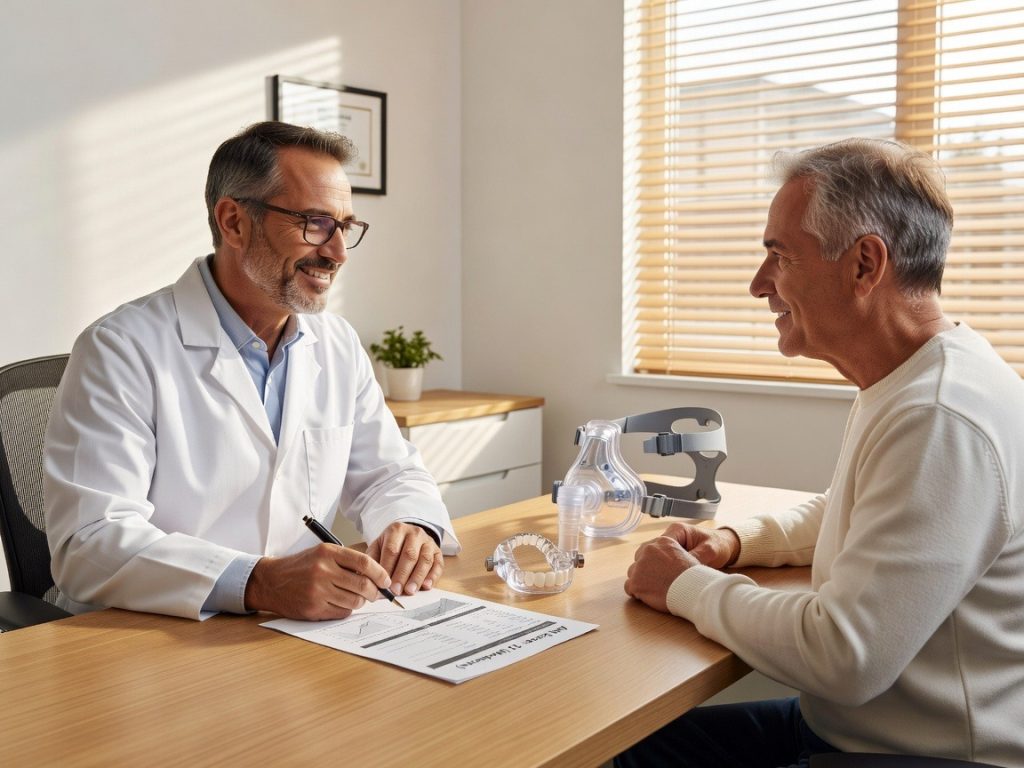
Oral appliance therapy tends to work best when the OSA is genuinely mild-to-moderate, the patient’s anatomy cooperates with jaw repositioning, and there’s a specific reason CPAP is untenable — travel demands, claustrophobia, a partner disturbed by machine noise, or just a documented inability to tolerate the mask. The American Sleep Association and most sleep medicine consensus guidelines consistently endorse this framework.
When exploring CPAP alternatives, it’s important to understand that CPAP remains the standard treatment for many people with moderate to severe sleep apnea. It is often the preferred option when AHI scores are high, cardiovascular risks are present, or airway collapse requires more pressure than other treatments can provide.
An oral appliance or other alternative therapy may work well for certain patients, but it is not always an equal replacement for CPAP. The right choice depends on the severity of sleep apnea, overall health, and guidance from a qualified sleep specialist.
There’s a third category worth naming: patients who’ve tried CPAP, couldn’t sustain it, and are now looking at what comes next. For those people, oral appliance therapy reviewed through their sleep study results often reveals whether a dental device can adequately manage their specific AHI. That’s the consultation worth having.
| Factor | Oral Appliance | CPAP |
| Best for | Mild-to-moderate OSA, CPAP intolerance | Moderate-to-severe OSA |
| Portability | Excellent — travel case fits in a pocket | Requires machine, power, distilled water |
| Noise | Silent | Machine hum (varies by model) |
| Comfort | Varies; adjustment period common | Varies; mask fit is critical |
| Cleaning | Rinse and brush daily | Tubing, mask, humidifier chamber |
| Long-term side effects | Possible bite changes, TMJ soreness | Minimal skeletal effects |
| Adherence rates | Generally higher | 30–50% discontinuation documented |
The Cost Reality in 2026
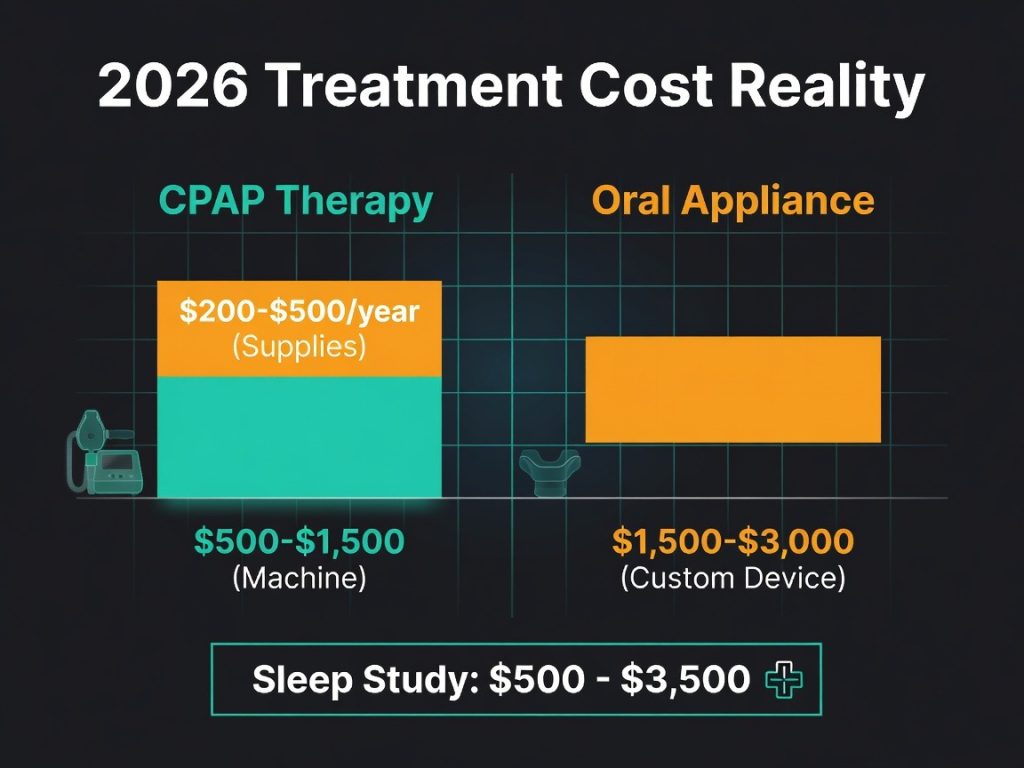
Neither option is cheap out of pocket, and the insurance landscape here is messier than most people expect. CPAP therapy typically runs $500 to $1,500 for the machine alone, plus ongoing costs for replacement masks, tubing, and filters — often $200 to $500 annually. Most medical insurance plans cover CPAP equipment when OSA is diagnosed via a sleep study, though compliance monitoring requirements can complicate continued coverage.
Custom oral appliances generally range from $1,500 to $3,000, depending on the device type and provider. The trickier issue is billing. Some oral appliance therapy is billed through medical insurance using the sleep apnea diagnosis; some goes through dental insurance. Occasionally, neither covers it fully, and the patient absorbs a meaningful out-of-pocket cost. Insurance coverage for mandibular advancement devices varies significantly by plan, and prior authorization is frequently required before fabrication begins.
A sleep study — which is necessary before either treatment — adds another $500 to $3,500 depending on whether it’s done in a lab or at home, and again, coverage varies. Don’t skip the insurance verification step. It’s the kind of thing that feels tedious before treatment and catastrophic afterward.
Comfort, Travel, and the Everyday Reality
Here’s what the clinical literature doesn’t always capture well: what it actually feels like to live with each option. CPAP users describe an adaptation curve that’s real and sometimes brutal. The first few weeks often involve adjusting pressure settings, trying different mask styles (nasal pillow, full face, nasal), troubleshooting leaks, and recalibrating sleep position. Some people find their groove within a month. Others never do.
Oral appliance users describe a different kind of adjustment — jaw soreness in the morning, excessive salivation in the early weeks, and occasionally the unsettling discovery that their bite feels slightly off after months of use. Other institutions have documented that long-term mandibular advancement can cause measurable dental changes and temporomandibular joint discomfort in a subset of patients. Not everyone, but enough that it’s worth knowing before you commit.
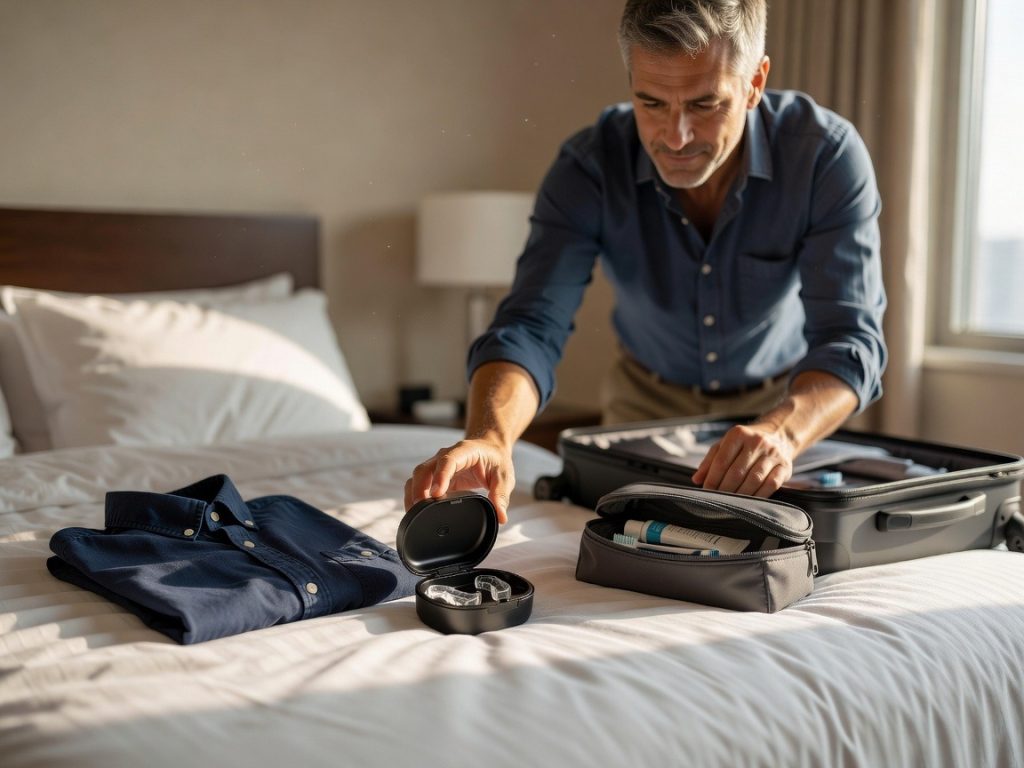
Travel is genuinely where oral appliances win without contest. A custom mouthpiece fits in a case the size of a soap dish. No TSA scrutiny over distilled water, no searching for a power outlet compatible with European current, no worrying about whether the hotel room has space for equipment. For patients who fly frequently or spend time in remote locations, this is a lifestyle consideration that can determine whether they’re actually treating their apnea at all versus leaving the CPAP at home “just this once.”
The Side Effects Nobody Wants to Talk About
Both treatments carry real tradeoffs, and I’d rather be honest about them than bury the uncomfortable parts.
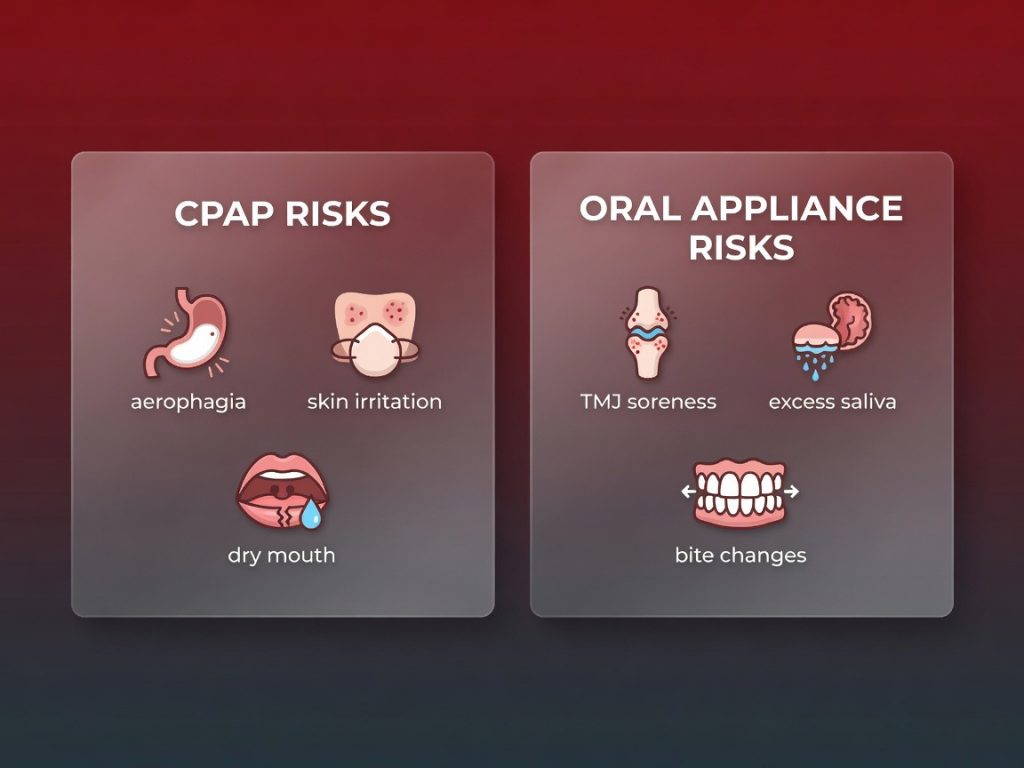
- CPAP: aerophagia (swallowing air, leading to bloating), skin irritation from mask contact, dry mouth or nasal passages, and the psychological weight of feeling tethered to a machine indefinitely. The Mayo Clinic’s overview of CPAP complications covers these systematically, and the mask fit issue is real — a leaking seal doesn’t just feel uncomfortable, it reduces therapeutic pressure and degrades outcomes.
- Oral appliances: TMJ soreness, excess saliva production early in treatment, potential for tooth movement over years of use, and occasional bite changes that require monitoring. A 2025 meta-analysis on oral appliance efficacy found meaningful AHI reduction across mild-to-moderate cases, but also confirmed that long-term dental monitoring is genuinely necessary, not optional.
- Both: require consistent nightly use to produce results. A device worn three nights a week doesn’t treat sleep apnea — it delays the consequences.
Common Questions Worth Answering Directly
Is an oral appliance as effective as CPAP?
For mild-to-moderate OSA, the clinical evidence suggests comparable real-world outcomes — not because the devices produce identical AHI reductions, but because patients wear them longer each night. An oral appliance used consistently often outperforms a CPAP machine used reluctantly. For severe OSA, though, the gap in raw efficacy matters more.
Will it stop snoring?
Possibly, but snoring reduction isn’t the goal of OSA treatment — it’s a symptom, not the disorder. Snoring alone doesn’t confirm a diagnosis. An official sleep study is what establishes AHI and determines whether treatment is medically indicated.
Can I just buy something online?
Over-the-counter boil-and-bite devices aren’t prescribed oral appliance therapy. They’re not calibrated to your airway, they don’t go through titration, and they’re not appropriate for diagnosed obstructive sleep apnea. The custom fabrication and adjustment process is what makes a professionally prescribed device clinically relevant.
What about insurance?
Verification before treatment is non-negotiable. Some plans cover oral appliances under medical benefits when tied to a sleep apnea diagnosis; others don’t. Prior authorization requirements can add weeks to the timeline, so start that conversation at the consultation.
How to Actually Decide
The most honest framework I can offer: start with your sleep study results and your physician’s recommendation. If your AHI is in the moderate-to-severe range and CPAP is the recommendation, take that seriously before defaulting to the “easier” option. If your AHI is mild-to-moderate and you have documented CPAP intolerance — or strong lifestyle reasons that make a dental device more sustainable — oral appliance therapy is a legitimate path, not a consolation prize.
What I’d push back on is treating this as a personal preference decision made in isolation. The severity of your OSA, your oral health, your jaw anatomy, your cardiovascular risk profile — these are clinical variables that belong in a conversation with both a sleep physician and a dentist trained in dental sleep medicine. At Dental Care 4 U in South Holland, IL, Dr. Raj Khurana reviews sleep study results, evaluates oral anatomy, and walks through whether a custom appliance is a realistic fit before anyone commits to fabrication. That kind of coordinated evaluation — where the dental and medical sides of the diagnosis actually talk to each other — is what separates a good treatment outcome from a frustrating one.
If you’re in the South Holland area and have questions about whether oral appliance therapy might work for your situation, Dental Care 4 U is located at 16270 Prince Dr., South Holland, IL 60473, and can be reached at (708) 333-2213. The consultation is the starting point — not the commitment.
Frequently Asked Questions
How much does oral appliance therapy cost in South Holland?
Custom devices typically range from $1,500 to $3,000 before insurance. Costs vary by appliance type, coverage, and treatment complexity.
Is an oral appliance a CPAP replacement?
For some patients with mild-to-moderate OSA or confirmed CPAP intolerance, yes — when supported by a physician. For moderate-to-severe cases, CPAP remains the more reliable option in most clinical assessments.
Does PPO dental insurance cover it?
Coverage varies considerably. Some plans process oral appliance claims under medical benefits rather than dental. Verification before fabrication is essential — ask the office to confirm your specific benefits ahead of time.
How do I know which is right for me?
Your AHI from the sleep study, your tolerance history with CPAP, your oral health, and your lifestyle are all relevant. A consultation at a practice experienced in sleep apnea treatment is the most direct way to get a real answer rather than a general one.