If you were told you need a dental crown, you probably have a few immediate questions—especially about cost, pain, and how urgent it really is.
That’s completely normal.
A dental crown is one of the most common restorative dental treatments. It simply protects and restores a damaged tooth so you can chew, speak, and smile comfortably again.
At Dental Care 4 U, Dr. Raj Khurana provides clear, transparent guidance on dental crowns South Holland patients rely on for long-term tooth protection—without pressure or confusion.
Our goal is simple: help you understand exactly what’s happening with your tooth and what your options are before you commit to anything.
If you’re searching for crowns South Holland or trying to understand whether you truly need one, this guide will walk you through everything step by step.
Book Your Crown Consultation — Transparent Pricing, Same-Day Quotes
Key Takeaways
- Dental crowns protect and restore damaged teeth to avoid extraction
- The typical cost in South Holland ranges from $800–$1,800 per crown
- Most crown procedures are simple, predictable, and completed in two visits
What Are Dental Crowns?
Question: What are Dental Crowns?
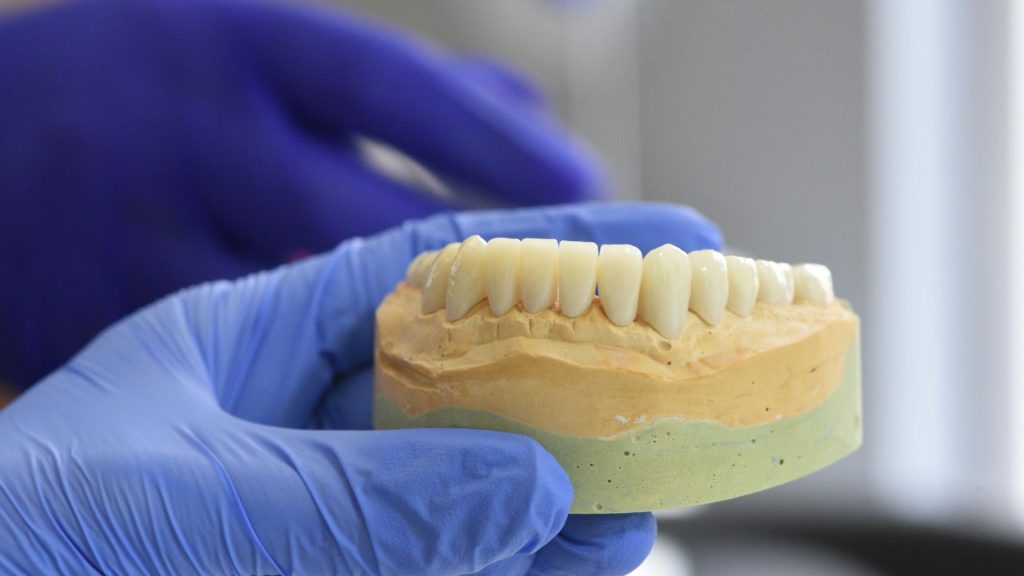
Answer: A dental crown is a custom-made “cap” placed over a damaged or weakened tooth to restore its shape, strength, and appearance.
Crowns are used when a filling is not enough to repair the tooth.
They help protect teeth from breaking further and restore normal function.
In simple terms:
A crown is a protective cover that helps save your natural tooth.
Common reasons for crowns include:
- Large cavities
- Cracked or broken teeth
- Teeth after root canal treatment
- Worn-down fillings
- Weak or fragile teeth needing reinforcement
At Dental Care 4 U, crowns are designed to look natural and blend with surrounding teeth while restoring full function.
Do You Need a Dental Crown? What Your Dentist Is Looking For
If you’ve been told you might need a crown, it usually means your tooth is too damaged for a filling alone.
Here’s what dentists typically evaluate:
- Deep decay that has weakened the tooth
- Cracks or fractures that could worsen over time
- Root canal–treated teeth needing protection
- Large or failing fillings
- Severe wear from grinding or biting pressure
In some cases, crowns are also used for cosmetic strengthening when a tooth is misshapen or heavily discolored.
A crown is not unusual—it’s a very routine, predictable solution used to preserve natural teeth.
At Dental Care 4 U, Dr. Raj Khurana focuses on saving your natural tooth whenever possible rather than extracting it.
Types of Dental Crowns: Porcelain, Ceramic, Metal & More
There are several types of crowns, and the right one depends on your tooth location, bite strength, and cosmetic goals.
Porcelain Crowns
- Most natural-looking option
- Blends with surrounding teeth
- Common for front teeth
Ceramic Crowns
- Strong and aesthetic
- Metal-free option
- Good balance of durability and appearance
Metal Crowns
- Extremely durable
- Often used for back molars
- Less visible, but very strong
Porcelain-Fused-to-Metal (PFM)
- Combines strength and appearance
- Metal base with porcelain exterior
Dr. Khurana selects materials based on function first, then appearance—ensuring your crown lasts and feels natural.
The Dental Crown Process at Dental Care 4U: What Happens Step by Step
Understanding the process can help reduce anxiety. Getting a crown is a routine procedure and is typically completed in two visits.
Step 1: Examination & X-rays
We evaluate the tooth and surrounding structure to confirm a crown is needed.
Step 2: Tooth Preparation
The tooth is gently reshaped to make space for the crown. Local anesthesia is used so you remain comfortable.
Step 3: Temporary Crown
A temporary crown is placed to protect your tooth while the permanent one is created.
Step 4: Final Crown Placement
Once ready, the permanent crown is adjusted for fit, comfort, and bite alignment before being permanently cemented.
Most patients are surprised at how straightforward the process feels. The goal is always comfort and predictability.
How Long Does a Dental Crown Last?
A well-made dental crown typically lasts:
- 10–15 years or longer
- Sometimes even longer with proper care
Longevity depends on:
- Daily oral hygiene habits
- Teeth grinding or clenching
- Material type used
- Regular dental checkups
Patients who wear a night guard (if recommended) often extend crown life significantly.
A crown is a long-term restoration—but not indestructible, which is why maintenance matters.
Dental Crown Costs in South Holland: What Affects the Price
One of the most important questions patients ask is about cost—and it deserves a clear answer.
In South Holland, the typical cost of a dental crown ranges:
$800 – $1,800 per crown
This range depends on several factors:
- Crown material (porcelain, ceramic, metal, or hybrid)
- Extent of tooth damage
- Whether additional treatment is needed (like root canal or buildup)
- Complexity of bite alignment
- Insurance coverage
At Dental Care 4 U, we believe in full transparency. Knowing the cost range helps you plan without surprises or hidden fees.
During your consultation, you’ll receive a personalized estimate based on your exact situation.
Dental Insurance and Crowns: What’s Typically Covered
Many dental insurance plans do provide partial coverage for crowns—especially when the procedure is medically necessary.
Coverage depends on:
- Whether the crown is functional vs cosmetic
- Your insurance provider and plan type
- Annual benefit limits
Medicaid or County Care plans may also offer limited coverage depending on eligibility and case need.
Our team helps verify your benefits before treatment so you understand your out-of-pocket cost clearly.
Crown vs. Filling: How Dentists Decide Which You Need
Dentists choose between a filling and a crown based on how much of the tooth structure remains.
Fillings
- Used for small to moderate decay
- Restore minor damage
Crowns
- Used when damage is extensive
- Protect the entire tooth
- Prevent fractures
If too much tooth is missing, a filling may not hold long-term. A crown provides full coverage and stronger protection.
Think of it this way:
A filling patches a tooth. A crown protects the entire structure.
What to Do If Your Crown Fell Off
If your crown falls off, don’t panic—this is more common than people think.
Here’s what to do:
- Save the crown if possible
- Avoid chewing on that side
- Keep the area clean
- Do NOT use strong adhesives
- Call the office as soon as possible
The exposed tooth may feel sensitive, but it can usually be temporarily protected or re-cemented quickly.
If you’re searching “crown fell off dentist near me,” this is considered a priority visit.
Caring for Your Crown: Tips to Make It Last 15+ Years
With proper care, your crown can last well over a decade.
Best practices:
- Brush twice daily
- Floss carefully around the crown
- Avoid chewing ice or hard objects
- Wear a night guard if you grind your teeth
- Keep up with regular dental checkups
Healthy gums also play a big role in crown longevity.
A crown is strong—but your daily habits matter just as much.
Book Your Crown Consultation — Transparent Pricing, Same-Day Quotes
If you think you may need a crown—or were recently told you do—the next step is simply getting clarity.
At Dental Care 4 U, Dr. Raj Khurana provides honest evaluations, transparent pricing, and a clear treatment plan so you always know your options.
We proudly serve South Holland, Harvey, Dolton, Lansing, Calumet City, and surrounding Cook County communities.
Even if you’re unsure about proceeding, you’ll leave your consultation with answers—not pressure.
Book Your Crown Consultation — Transparent Pricing, Same-Day Quotes
Frequently Asked Questions
Does getting a dental crown hurt?
No. The area is numbed during treatment. Mild sensitivity afterward is normal but temporary.
How long does the dental crown process take?
Typically two visits: one for preparation and a second for permanent placement.
How much does a dental crown cost in South Holland with insurance?
Insurance may partially cover crowns depending on your plan and medical necessity. Exact costs vary per case.