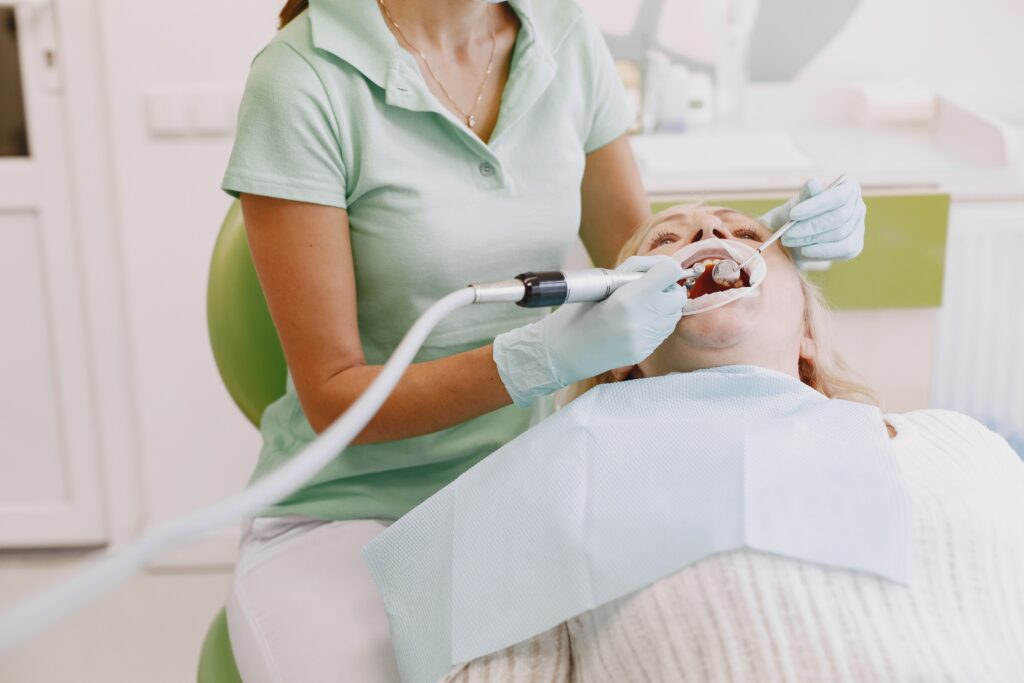
You’ve put off the cleaning again. Not because you’re lazy, and not because you don’t care about your teeth. The number in your head just feels bigger than your checking account.
Here’s the short answer. Without insurance, a routine teeth cleaning in the South Holland, Illinois area typically runs between $75 and $200, and a practice that offers a payment plan or in-house membership can break that into pieces you can actually manage. At Dental Care 4U, the fastest way to find your exact number is to call (708) 333-3213 and ask about payment options when you book.
That’s the whole decision in two sentences. The rest of this guide is about making sure you pick the right path, and don’t get burned along the way.
Key Takeaways
- Affordable teeth cleaning near me does not have to mean sacrificing quality. In the South Holland, Illinois area, a routine cleaning without insurance typically costs between $75 and $200, depending on whether an exam and X-rays are included.
- Knowing the teeth cleaning price near me before booking helps you avoid unexpected expenses. Ask for a written estimate that separates the cleaning, dental exam, X-rays, and any additional treatment.
- If paying upfront is difficult, ask about dental payment plans near me, in-house installment options, or dental membership programs. Dental Care 4U can help you explore payment options and understand the expected cost before scheduling your appointment.
Where can I find affordable teeth cleaning near me in South Holland, IL, and what payment options are available?
Question: Where can I find affordable teeth cleaning near me in South Holland, IL, and what payment options are available?
Answer: Patients looking for affordable teeth cleaning in South Holland, IL, can expect to pay approximately $75 to $200 for a routine cleaning without dental insurance. The final teeth cleaning price depends on whether the appointment includes a dental exam, X-rays, or additional services such as deep cleaning.
To make dental care more manageable, patients can ask about in-house payment plans, dental membership programs, third-party financing, and community dental clinics with sliding-scale fees. Dental Care 4U offers patients an opportunity to discuss cleaning costs and available payment options before booking. Call (708) 331-4455 to ask about self-pay pricing and payment arrangements.
What a Cleaning Really Costs When You’re Paying Out of Pocket
National benchmarks give us a fairly tight window. Guardian’s cost breakdown puts a routine exam plus cleaning at roughly $203 without coverage, while Delta Dental’s cost overview lands between $85 and $160 for a standard professional cleaning.
Different numbers, same neighborhood. The gap usually comes down to what’s bundled in.
A cleaning alone is one thing. A cleaning with a dental exam and X-rays is another animal entirely, and that’s why “teeth cleaning price near me” searches return such a confusing spread.
Why Your Quote Might Not Match Your Neighbor’s
Three things move the price more than anything else.
First, the type of cleaning. A preventive cleaning (called a prophylaxis, if you want to sound smart at the front desk) is for healthy gums. If your dentist finds gum disease, you may need scaling and root planing instead. GoodRx’s analysis shows those deep cleanings running $150 to $300 or more per session, and you may need several.
Second, the extras. New patients usually need a full exam and a set of X-rays, and those get added to the bill.
Third, how long it’s been. Skip a couple of years and the buildup is heavier, which means more chair time.
| Service | Typical self-pay range | What drives it |
|---|---|---|
| Routine cleaning only | $75 to $160 | Office location, hygienist time |
| Exam plus cleaning | Around $200 | Whether X-rays are included |
| Deep cleaning (per session) | $150 to $300+ | Severity of gum disease, number of areas treated |
Treat those as ballparks. Your real quote comes from your mouth, not a chart.
So Why Does Skipping It End Up Costing More?
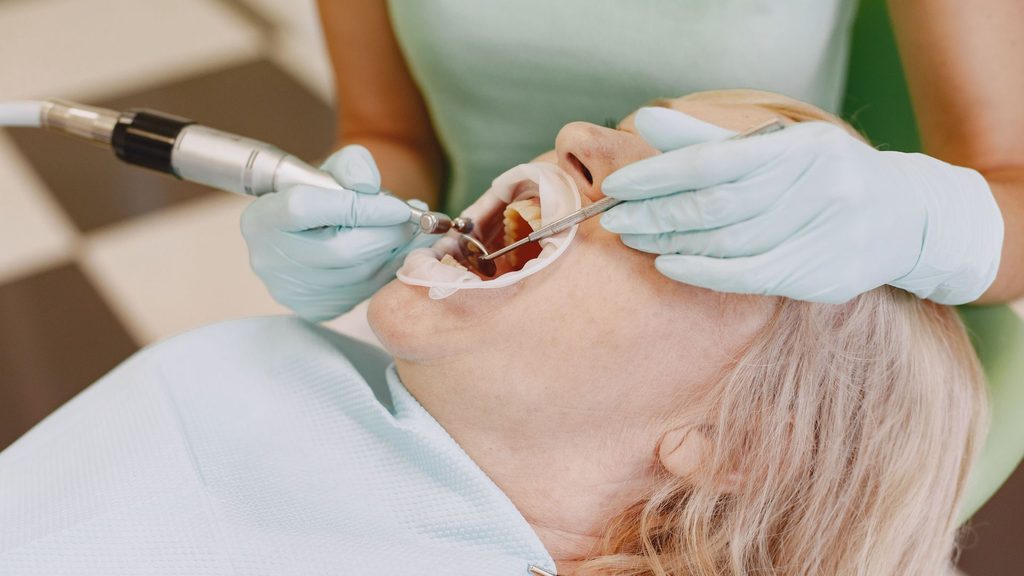
Because gingivitis doesn’t announce itself. It’s quiet, and then one day it’s periodontal disease and the conversation shifts from $120 to four figures.
The CDC’s oral health equity data says about 29% of Americans lack dental coverage, and cost is a major reason people delay routine care. I suspect most of them are doing the same math you are. Skip this year, pay for it later, at a markup.
Don’t do that to yourself.
Payment Plans: What to Actually Ask
A payment plan is only as good as its fine print. When you call a dentist about dental payment plans near me, these are the questions that separate a real plan from a headache:
- Is the plan run in-house by the office, or through a third-party lender?
- Is there interest, and does it apply from day one or only if you miss the deadline?
- Is there any application fee, annual fee, or late penalty?
- Can you get the full price in writing before you agree to anything?
- Will the office pause or adjust the plan if your income shifts?
Notice the last bullet isn’t a trick question. A decent office answers it without flinching.
That written estimate matters most. Dental Care 4U’s stated approach is no hidden fees, which is exactly the standard you should hold any practice to. If a front desk can’t tell you what a cleaning costs before you sit down, walk.
The Medical Credit Card Trap
Third-party financing, like CareCredit, can be a lifesaver or a landmine. Same product. Wildly different outcomes.
The issue is deferred interest. You’re told “no interest for 12 months,” you pay most of the balance, miss the last sliver by a day, and suddenly interest is charged retroactively on the original amount. The Consumer Financial Protection Bureau warns about exactly this, and its hearing remarks noted patients racked up around $1 billion in deferred interest on medical and dental credit lines over three years.
Billion. With a B.
For a $150 cleaning, a plain in-house installment plan with zero interest almost always beats a credit card. Save the financing options for bigger restorative work like crowns or extractions, and even then, read every line.
Membership and Savings Plans: The Insurance Alternative
A dental savings plan isn’t insurance. Let’s clear that up, since people mix them up constantly. There’s no claim, no deductible, no annual maximum. You pay a yearly or monthly membership fee, and in return you get discounted rates on dental services at participating offices.
Some practices run their own dental membership plan for uninsured patients, which often bundles two cleanings, exams, and X-rays at a flat price with a discount on any treatment after that. Others join a discount plans network, such as the VantageOne dental savings plan. Ask whether the office you’re calling honors any of these.
Does it pay off? Do the math. If the annual fee plus your cleaning prices beats the self-pay rate for two visits, and you also have a filling lurking somewhere, it usually does. And there’s typically no waiting period, which is the real appeal over traditional dental insurance plans where preventive care might be covered right away but fillings wait six months.
Public Programs, Clinics, and Dental Schools
Maybe the budget is truly thin. Fine. You still have options, and they’re better than most people think.
- Medicaid. Illinois adult dental benefits vary by plan and eligibility, so apply for Medicaid if you haven’t, then contact your managed care organization to confirm which cleanings and exams are covered.
- Community health centers. Federally qualified centers must scale fees to your income, following HRSA’s sliding fee rules, so a lower household income can mean a much smaller bill.
- Dental schools. Students treat patients under licensed faculty at reduced rates. Chicago-area programs like UIC’s College of Dentistry are worth a call. Expect longer appointments and waitlists.
- Charitable care. The Dental Lifeline Network coordinates donated treatment for seniors, people with disabilities, and veterans, and its impact report shows how much volunteer care it delivers.
Be honest with yourself about the tradeoff. Public clinics and schools save money but cost time. A private office with a payment plan costs more dollars but fits a work schedule.
Picking the Right Path for Your Situation
Skip the spreadsheet. Run through these in order, and stop when one fits.
- If you qualify for Medicaid, use it first, because a covered cleaning is cheaper than any discount.
- If you have no coverage and cash is tight this month, ask the office for an in-house payment plan with no interest.
- If you plan to need more than one visit this year, price out a membership plan against the self-pay cost.
- If your income is very low and you have flexibility, call a sliding-fee clinic or dental school.
- If you’re considering a medical credit card, use it only when you’re certain you can pay in full before the promotional period ends.
Most South Holland patients land on option two or three. That’s fine. Nobody hands out medals for suffering through the hardest route.
What Happens When You Call
It’s a short call. Honestly. Tell them you’re uninsured, you want a cleaning, and you’d like to know the self-pay price and what payment options exist. Mention whether you’re new, since that affects whether an exam and X-rays go on the quote.
Then ask for the estimate in writing. Ask what’s due at the visit and what can be spread out. Ask about a membership if you’ll be back in six months. That’s it.
I’ll say this plainly: the cost of a dental cleaning is almost never the real obstacle. The unknown is. The moment you have an actual number and an actual schedule of payments, the dread shrinks, and the appointment goes from “someday” to Tuesday at 2.
So don’t defer it. Ask about payment options when you book, and call Dental Care 4U at (708) 331-4455.
Your teeth have been patient. Give them a date.